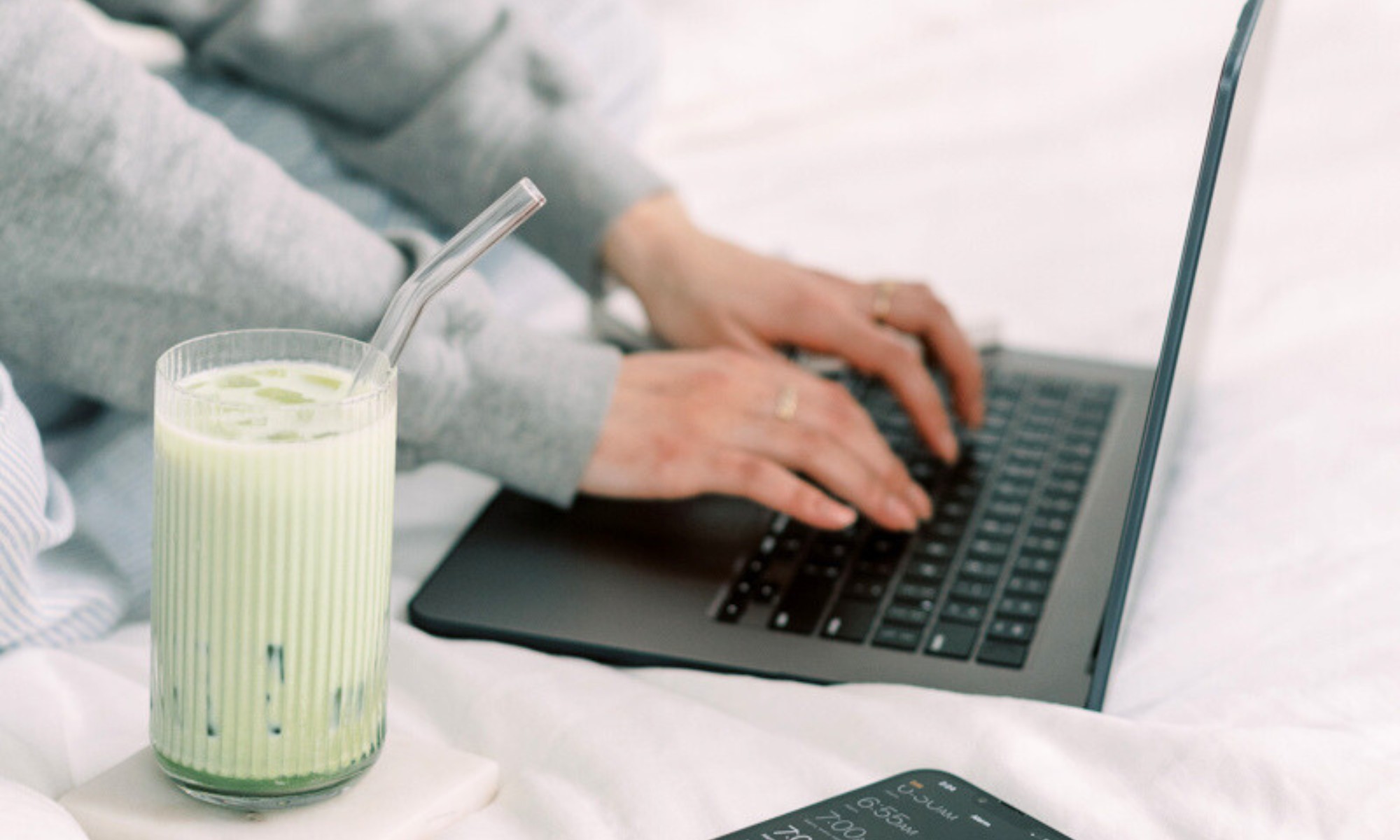
It started as an intuitive decision — I don’t really know why I decided to not drink this January, it just came to me and felt right. Now we’re halfway through the month, and something fascinating is happening. My apartment is cleaner. My to-do list is shrinking. And I have so much more e-n-e-r-g-y.
You know all those little tasks that have been living rent-free in your brain forever? Suddenly, they’re getting done. Like finally organizing my spice drawer (why did I have three containers of cumin?), washing all my throw pillows and blankets (how did they get so dusty?) and Marie-Kondo-ing my computer (goodbye, 147 random screenshots!).
The weird part? I’m not even trying that hard. It’s like my brain suddenly has extra RAM or something. No more fuzzy morning edges, no more “I’ll do it tomorrow” excuses.
And let’s talk about my evening routine — it’s completely different now. Instead of that automatic reach for a glass of wine while making dinner, I’m exploring the world of fancy teas. I’ve started treating myself to the good stuff from Kusmi, those loose leaf teas that I always thought were “too expensive” (turns out they’re actually cheaper than wine). My current obsession is a green tea with algae, sounds weird I know but tastes amazing!
The Science Behind What’s Happening
This isn’t just in my head. I did some research and turns out a 2018 study in BMJ Open followed 94 people doing exactly what I’m doing now. By this point in their journey — halfway through — participants were already showing measurable improvements in their insulin resistance and blood pressure. By the end of the month, they had lost an average of 1.5kg (about 3.3 pounds) without making any other lifestyle changes. I think I lost a kilo or two as well already, yay!
The Sugar Connection
That decreased craving for sweets I noticed in the first week has continued. The science explains why: alcohol interferes with your body’s blood sugar regulation, triggering sugar cravings. Two weeks into this experiment, my body seems to have found its natural balance. I’m not saying no to desserts, I just don’t feel that intense NEED for them anymore.
Sleep & Energy
As I said, I have so much more energy. There’s actual science behind that. Alcohol significantly disrupts sleep patterns, particularly the deep sleep phases our bodies need for true restoration. Though I should be honest here – my sleep hasn’t been perfect. Being in perimenopause means I’ve had a few nights of waking up with night sweats, and I’ve had to adjust my progesterone intake. But even with these hormonal challenges, I’m noticing more energy during the day. It’s fascinating how removing alcohol has made it easier to notice and manage other aspects of my health.
The Science of Sticking With It
A 2016 study in Health Psychology followed 857 people through their month without alcohol. Here’s what’s encouraging: six months later, most participants were still drinking less than they did before their break. They weren’t trying to quit forever — they were just taking a break. Yet many found themselves naturally drinking less even months later.
As I head into the second half of January, I’m curious to see what other changes I might notice. Will I keep discovering dusty corners of my life that need attention? Will my spice drawer stay organized? (Let’s be real — probably not, but at least I know how many cumins I own now).
I’ll share my complete experience in February, but for now, halfway through Dry January, I can say this experiment has been surprisingly enlightening. Whether you’re considering a break from alcohol now or in the future, remember: the science shows that even a month can make a measurable difference in your health.
It doesn’t have to be January — the benefits are there any time you decide to take a break. Sometimes the best time to start is simply when it feels right to you — just like it did for me at the beginning of this month.
(Note: All research cited is from peer-reviewed journals – the BMJ Open 2018 study and the Health Psychology 2016 study. While individual experiences may vary, these studies provide solid evidence for the benefits of taking a break from alcohol.)
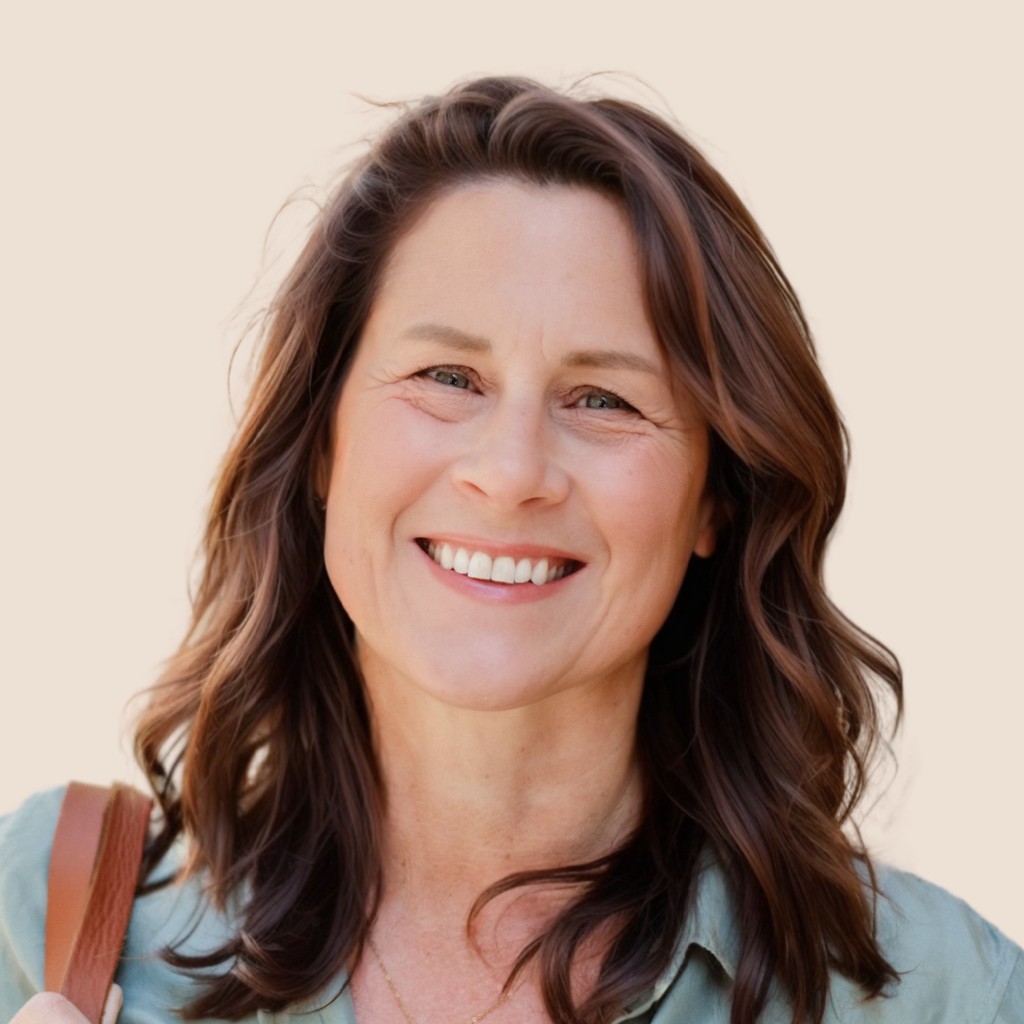
Susanne Rieker is the founder of Midlife etc. Based in the beautiful Mediterranean island of Majorca, Spain, she’s also a business coach helping heart-led entrepreneurs build impactful online businesses. Follow her on Instagram @susannerieker.