I’m not someone who follows strict meal plans. I don’t track calories or prep perfectly portioned meals for the week. But I do care about what I eat — especially now, in midlife, when I want to feel good in my body and make meals that support my health without stealing my energy.
For me, it’s all about keeping things simple and practical.
And lately? I’ve been letting ChatGPT help me with that.
Not in a robotic, AI-takes-over-my-kitchen kind of way. More like: give me a few ideas, make the planning easier, help me not spiral into decision fatigue. It’s become a surprisingly intuitive tool — one that’s made my relationship with food feel lighter and more relaxed.
Here’s how I use it.
#1 I use ChatGPT to plan 4–5 meals I actually want to eat
Every weekend, I ask for some meal inspiration. I’ll usually type in something like:
“Can you give me five healthy, dairy-free and soy-free lunch or dinner ideas I can batch cook for the week? I prefer Mediterranean and Asian flavors, nothing too complicated.”
It might give me:
- Chickpea stew with spinach and tomatoes
- Grilled chicken with lemon-herb rice and roasted vegetables
- Lentil dal with turmeric, ginger, and coconut milk
- Zucchini noodle stir-fry with sesame oil and tofu
- Baked salmon with quinoa and cucumber salad
It’s not about following everything exactly — it’s about sparking ideas. I’ll keep what sounds good, tell it to change ingredients I don’t like, and skip anything too fussy.
And of course it also gives me the recipes, adjusted for how many people. I often cook two portions in one go so I can eat it again the next day.
#2 I batch-cook once or twice a week
Because honestly, who wants to prepare three fresh meals every day?
I’ll usually cook a few things on Sunday or Monday — like a big pot of soup, roasted veggies, or some rice and lentils — and store them in glass containers in the fridge or freezer. It’s not full-on meal prepping, but it gives me a base to work with.
For example:
- One batch of soup = dinner for three nights
- Cooked rice = the start of stir-fries or grain bowls
- Roasted veggies = easy add-ons to sandwiches or salads
I’ll also ask ChatGPT things like:
“What are three healthy meals I can make using a batch of roasted vegetables, cooked rice, and canned chickpeas?”
And it’ll come up with ideas I hadn’t thought of. It’s like having a creative sous-chef who never gets tired.
#3 I generate my shopping list in 10 seconds
Once I’ve picked a few meals, I ask ChatGPT to make a categorized grocery list:
“Can you create a shopping list for these meals, grouped by produce, pantry, fridge, etc?”
It does. I edit anything I already have at home and copy it into my Notes app.
No forgotten lemons. No extra wanderings around the store. No stress.
#4 I use it to improvise, too
Sometimes I just need a little help on the fly:
“What can I make with one egg, a zucchini, and some leftover rice?”
“Is it okay to freeze soup with coconut milk?”
“How do I turn this random fridge situation into lunch?” (you can even upload a photo of your fridge content)
It helps me waste less and think more creatively — which honestly makes cooking more enjoyable.
Why it works for me
I don’t want to spend hours thinking about food. I want to eat well, feel nourished, and keep things easy. Especially now, with Wegovy helping to quiet the noise around food, I’ve realized that planning a little — just enough — makes everything smoother.
ChatGPT doesn’t replace intuition. It just makes the practical stuff easier. And that’s the kind of support I welcome right now.
Want to try it?
Here’s a prompt you can copy and paste:
“Can you help me plan five healthy, batch-cook-friendly meals for a woman in midlife who prefers Mediterranean-style food, cooks at home, and wants something simple, nourishing, and satisfying?”
Make it yours and give it a try.
Eating well in midlife doesn’t have to be complicated — and support can come from the most unexpected places.
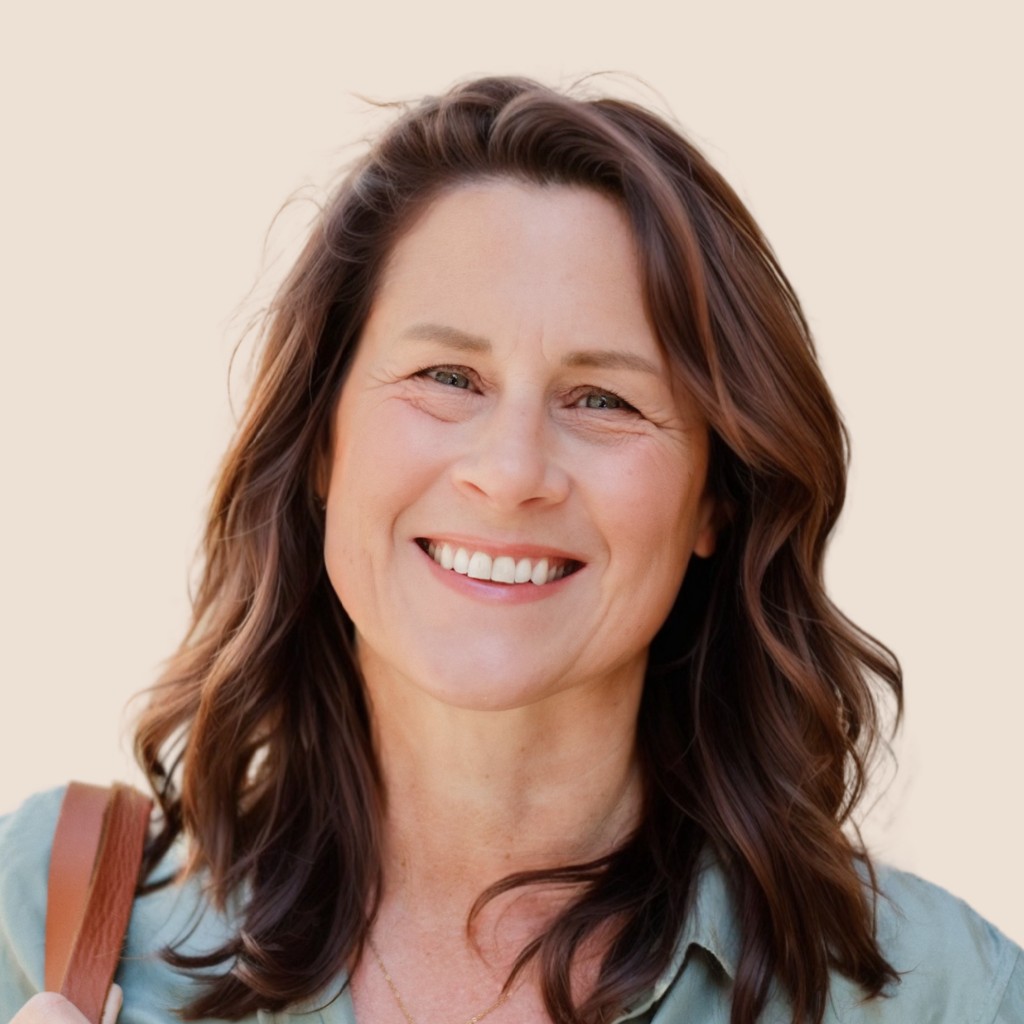
Susanne Rieker is the founder of Midlife etc. Based in the beautiful Mediterranean island of Majorca, Spain, she’s also a business coach helping heart-led entrepreneurs build impactful online businesses. Follow her on Instagram @susannerieker.