If you woke up one day on the other side of forty and felt as if your body had aged overnight, you are not alone. Chances are every second woman you meet in her 40s will have a similar tale to tell.
It’s not just the sudden and annoying need for reading glasses, or the sneaky extra pound that appears out of nowhere on your scales, but it’s the odd aches and pains in your joints, the stiffness, the tiredness and exhaustion, sore muscles, the random headaches, the sleeplessness that hits you out of the blue.
What feels like some awful accelerated aging is just perimenopause!
Yet, so few of us recognise the symptoms. We know about the hot flushes, the brain fog and loss of libido but no one really talks about the aches and pain and the fatigue. Even though it affects so many of us, in so many ways.
The shift in our hormones in our forties and fifties can create quite the turbulence. But we are only just beginning to understand the full extent of it.
Research suggests that nearly 70% of women will experience musculoskeletal pain during perimenopause and menopause and around 25% of these will have severe, often life changing symptoms. So let’s talk about it.
Why is menopause such a pain?
The are many reasons but the mostly it comes down to hormones. Especially the plummeting oestrogen. Oestrogen is a girl’s best friend. It keeps our joints young and healthy, helps repair tissue. It keeps our skin and hair looking radiant. It even regulates where we store fat.
But most importantly it modulates our pain response. Oestrogen is nature’s way of giving us our own internal analgesic to reduce all kinds of pain we women naturally suffer, from periods to giving birth.
As oestrogen levels drop, so does its pain reducing, anti-inflammatory, anti-aging magic. In practical terms, things that barely hurt before, like sitting or walking, can now trigger soreness or stiffness. Studies show that fluctuating oestrogen levels can not only trigger pain but make it more intense and long-lasting.
MSM-Musculoskeletal Syndrome of Menopause
MSM is a term now used to address the whole range of changes that menopause can bring about it in our musculoskeletal system – the network of bones, muscles, joints, tendons, and ligaments that keeps us moving.
Here’s how menopause can throw it off balance:
Joint Pain
As oestrogen levels drop, so does its anti-inflammatory magic. As a result, joints can feel stiff and sore. That wandering pain in your finger joints and toes, sore wrists, knees and hips are all oestrogen withdrawal symptoms. Menopause can even trigger osteoarthritis or worsen an existing condition
Loss of Muscle Mass
Studies show that declining oestrogen can lead to a loss of lean muscle mass that is independent of aging. Muscles become weaker and less responsive to exercise leading to aches and fatigue which in turn make everyday tasks or workouts harder than they used to be.
Reduced Bone Density
Oestrogen is key to bone health, and without it, bone density drops quickly. Osteoporosis risk rises after menopause, with up to 1 in 2 women over 50 suffering a fracture due to weakening bones.
Reduced Flexibility and Mobility
Oestrogen’s anti-inflammatory properties help maintain and repair joint tissues and without it connective tissues start to suffer making movement slower and more restricted. Yes, the dreaded frozen shoulder!
Tendon and Ligament Issues
Lower oestrogen impacts collagen production, making these tendons and ligaments less resilient and more prone to injury.
Menopause and Chronic Pain Disorders
One in five persons around the globe today are living with chronic pain and a large proportion of them are women in their midlife. Midlife!
Science is now finding a strong link between menopause and chronic pain disorders. A study looking at more than 200,000 women found that women experiencing perimenopause symptoms are almost twice as likely to be diagnosed with chronic pain conditions like fibromyalgia, migraines, or chronic fatigue.
While the connection between menopause and chronic pain conditions is not yet completely understood, it is clear that the increased pain sensitivity makes existing conditions like Fibromyalgia and CFS worse and can even trigger new conditions.
Same, Same but Different
Chronic pain disorders like fibromyalgia and menopause have many similar symptoms hence the two are often misdiagnosed.
However, there are key differences. Menopause symptoms are caused by fluctuating hormones while chronic pain disorders often involve psychological, environmental and genetic factors.
Extreme pain sensitivity and fatigue, feeling worse after exercise and debilitating flare-ups that leave you housebound are usually a sign of a chronic pain disorder. Being aware of these differences can help you tell the difference.
While your GP can confirm your menopausal symptoms, you need a rheumatologist to diagnose a chronic pain condition.
If aches persist longer than a few months, or interfere with daily life, bring them up with your healthcare provider. Early action—whether through physical therapy, hormone therapy, or chronic pain care—can ease severity later.
From Pain to Ease
There is overwhelming evidence that we can manage and even mitigate some of the pain arising from perimenopause and menopause by making a few conscious changes. Whether you opt for HRT (Hormone Replacement Therapy) or not there are some things you can do to help yourself.
Make Time for Relaxation
Gentle, targeted practices like yoga for menopause, breathwork and mindfulness meditations can calm the nervous system and lower pain sensitivity.
Keep Moving
Even on the days when everything feels stiff and sore, set yourself a small movement goal- a short walk, a few stretches, 3,000 steps. The more we stay still, the more the body de-conditions and that actually makes the pain worse.
Set Healthy Boundaries
Stress amplifies pain, so it really is OK to say no to the extra project, the social commitment, or that one thing that tips you over the edge.
Prioritise Good Sleep
Poor sleep makes pain feel more intense. Protect your nights by limiting caffeine and alcohol, switching off screens in the evening and keeping your bedroom cool, dark and calm.
Choose Anti-Inflammatory Foods
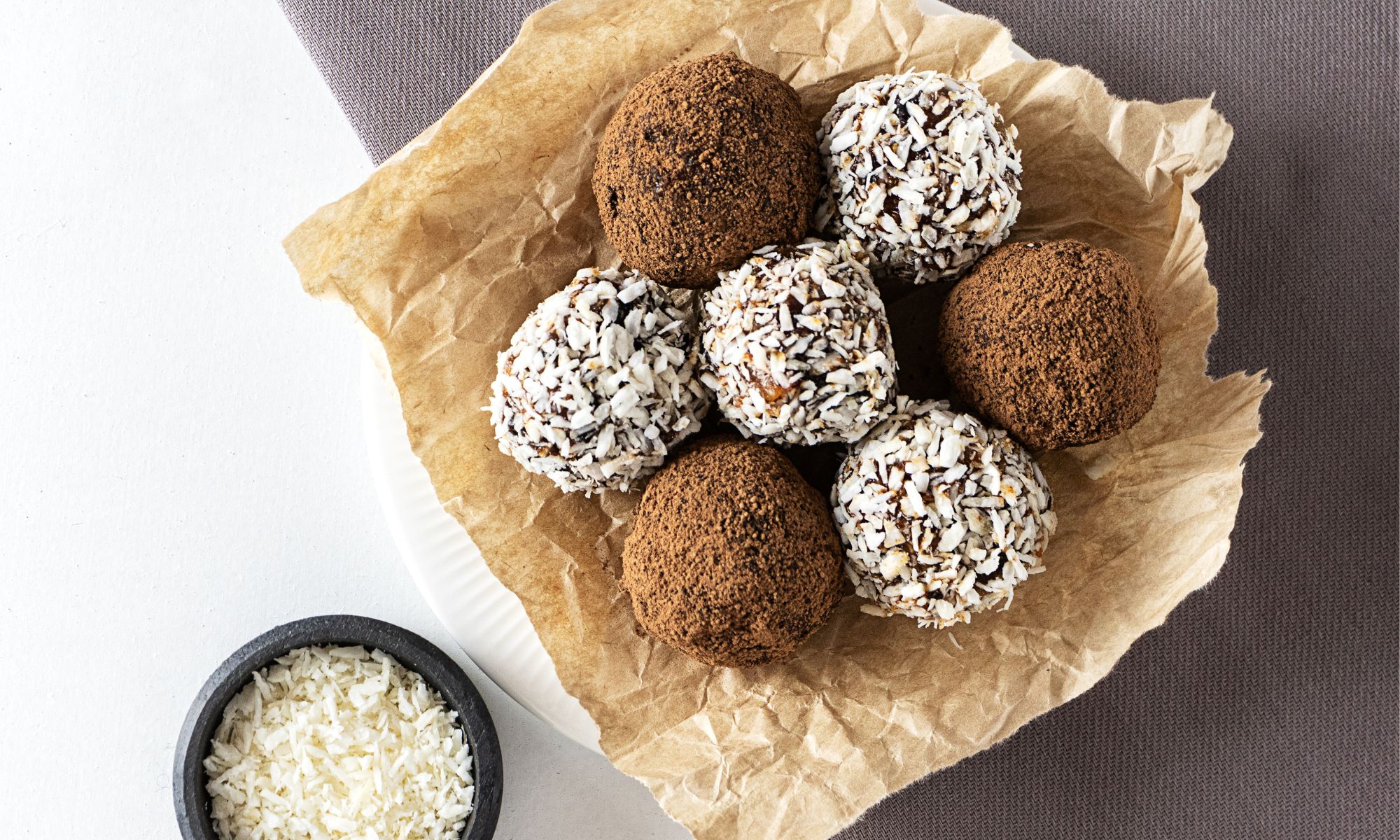
A diet rich in colourful vegetables, fruit, oily fish, nuts and seeds can help reduce inflammation and support joint health.
Stay Connected
Spending time with friends (or simply reaching out for a chat) isn’t just good for the soul, social connection has been shown to reduce the perception of pain.
Accept and Welcome
Recognising that the menopausal journey is a natural transition to a new and exciting phase of life and accepting the wisdom of nature can completely change how we move through the transition.
Even though your body might look like it’s putting up a fight, it is in fact preparing you for a post-reproductive phase. When the focus and energy can shift back to you and you can set about creating the life you desire with greater wisdom and strength.

Anu is a holistic yoga coach specialising in chronic pain disorders and women’s health. She combines her personal experience of healing with the wisdom of ancient practices and modern science to guide her clients toward better health and balance. Anu’s gentle and intuitive approach empowers her students to connect deeply with themselves and their well-being. Based in London, Anu works with clients both in-person and online, helping them release their pain patterns and live better in their body and mind. She believes the true power of yoga lies not in its ability to transform our bodies but our very lives.