Midlife crisis? No way! That’s what middle-aged men go through, not emotionally sound women like me, I told myself as I approached fifty with a burning desire to reinvent my life while at the same time being totally exhausted and overwhelmed by life.
It’s just the turbulence of perimenopause, I thought, as my whole world was tilting on its axis. But when all the lemons I had been juggling — a chronic health condition, a teenage daughter with special needs, another one preparing to leave the nest, aging parents and in-laws on a different continent, shifting personal ambitions — started to feel like they were one bad day away from crashing to the ground, I knew it wasn’t just hormones. I was experiencing a seismic midlife shift in body, mind, and spirit.
My body felt like it was staging a quiet revolt. Every day, something new stopped working the way it once had. My gut became hypersensitive. I was shedding more hair than my cat. The harder I tried to manage my weight, the faster the pounds seemed to pile on. The aches and pains, the anxiety all came out of the blue. And all the while my mind was a foggy mess, unable to hold onto a single coherent thought. For all my drive to pivot my career and find a new path, I couldn’t seem to find my footing.
The emotional turbulence of kids leaving home was compounded by a decision made decades ago, to settle far from my parents and siblings. The distance was now filled with regret and longing for a simpler way. And then there was my need to grow and expand, somehow become more, do more!
I had imagined by the time I got to my fifties, I would have it all under control. Instead, here I was striving as hard as I could to just keep it together.
Until one day, I stopped striving. In one serendipitous moment, I stepped out of the chaos and into stillness. As I viewed my life from a distance, it became clear just how much bigger life was than the things I was clinging to. Any idea I’d had of shaping my life was just that — an idea.
Life unfolds as it will, often despite our best-laid plans. And maybe the answer wasn’t in grasping — but in letting go. And so I did. What followed was not a collapse, but a shift — a movement away from control and into flow. Letting go wasn’t easy, but it became the key to finding clarity amidst the uncertainty.
Here are the most important lessons I’ve learned in midlife:
Wu Wei: Non-Doing
One of the most profound lessons I discovered came from the Daoist principle of wu wei — the art of non-doing. It might sound like giving up, a quick downward spiral into laziness and apathy, but wu wei is about something deeper. It’s about aligning with the natural flow of life rather than resisting it. Where you are so in tune with what is required of you in the moment that all the ‘doing’ becomes effortless.
Life is constantly changing, and midlife magnifies those changes — careers pivot, relationships transform, families change, bodies age, and identities evolve. My instinct was to control these changes, to force outcomes. In following the Dao — the Way, I recognised the wisdom in stepping back, in allowing life to unfold without trying to engineer every outcome.
I had to trust life’s own rhythm, and find a way to dance with it rather than push against it.
The Void: Spaciousness, Not Emptiness
Going from being a full-time mum to becoming an empty nester and not yet a full-time yoga teacher left a lot of empty space not just in my day but my life. I lacked a sense of purpose. Looking ahead, I wasn’t sure what I wanted my future to look like. Where the familiar structures of my life had once stood, now was an emptiness which I tried to fill with mindless projects adding to the chaos. When I finally stopped and looked into the emptiness, I began to understand that this void was in reality a spaciousness; it was a clearing for what was to come. It was full of potential.
The void became a space where new aspects of myself could emerge — in whatever colour, shape, or form they wanted. I didn’t need to rush to fill it; I just needed to allow it to breathe. It was in that openness that creativity, peace, and possibility began to bloom.
Impermanence: The Freedom in Knowing Nothing Lasts
Perhaps the hardest and most liberating lesson was accepting the impermanence of everything. Careers end, relationships shift, health ebbs and flows, people pass on. Nothing lasts forever — not joy, not sorrow, not even life itself.
At first, this truth felt devastating. How could I feel safe if nothing was secure? But slowly, the truth of impermanence began to feel like a gift. If nothing lasts forever, then it meant I didn’t have to cling to anything — not success, not failure, not even my identity. Letting go of the grasping and clinging allowed me to breathe more freely. It also helped me connect more deeply with others, knowing that we are all governed by the same law of change. There’s comfort in that shared vulnerability — we’re all in the same boat.
The Present Moment: The Only Place Life Actually Happens
If nothing is permanent, then the only thing left to do then was to focus on the present moment. It sounds simple, but it’s astonishing how much of life is spent mentally living in the past or planning for the future.
Letting go of control meant learning how to inhabit the present. To stop fixating on how things should be and instead tune into how things actually are. To sit with the discomfort, the joy, the uncertainty — without trying to edit or escape it. The present moment became my anchor. Whether it was a quiet cup of tea, the feeling of sun on my skin, or the sound of my own breath, returning to the now became a practice of both grounding and liberation.
Control Is an Illusion
We are taught to believe that if we just work hard enough, plan carefully enough, and stay vigilant enough, we can shape life to our will. But the wisdom that only age can bring taught me to see through that illusion.
Most of life happens in the unexpected. Our best-laid plans are at best a rough template, not a blueprint. Letting go of the illusion of control didn’t make me powerless — it made me adaptable. When I stopped clinging to outcomes, I could meet life with curiosity rather than fear.
Control is seductive because it offers a false sense of security. But real peace comes from knowing that life will happen whether I control it or not — and that I am resilient enough to face whatever comes.
From Crisis to Clarity
Midlife didn’t bring me the certainty I assumed it would. However, it has given me something better: the wisdom to appreciate the present moment, the patience to let life unfold without resistance, and the ability to find clarity not by controlling the outcome, but in trusting the process.
Letting go wasn’t about giving up — it was about trusting that life has its own intelligence and that I didn’t have to have all the answers.
Letting go, it turns out, is an act of surrender and an act of strength. It’s about stepping into the flow.
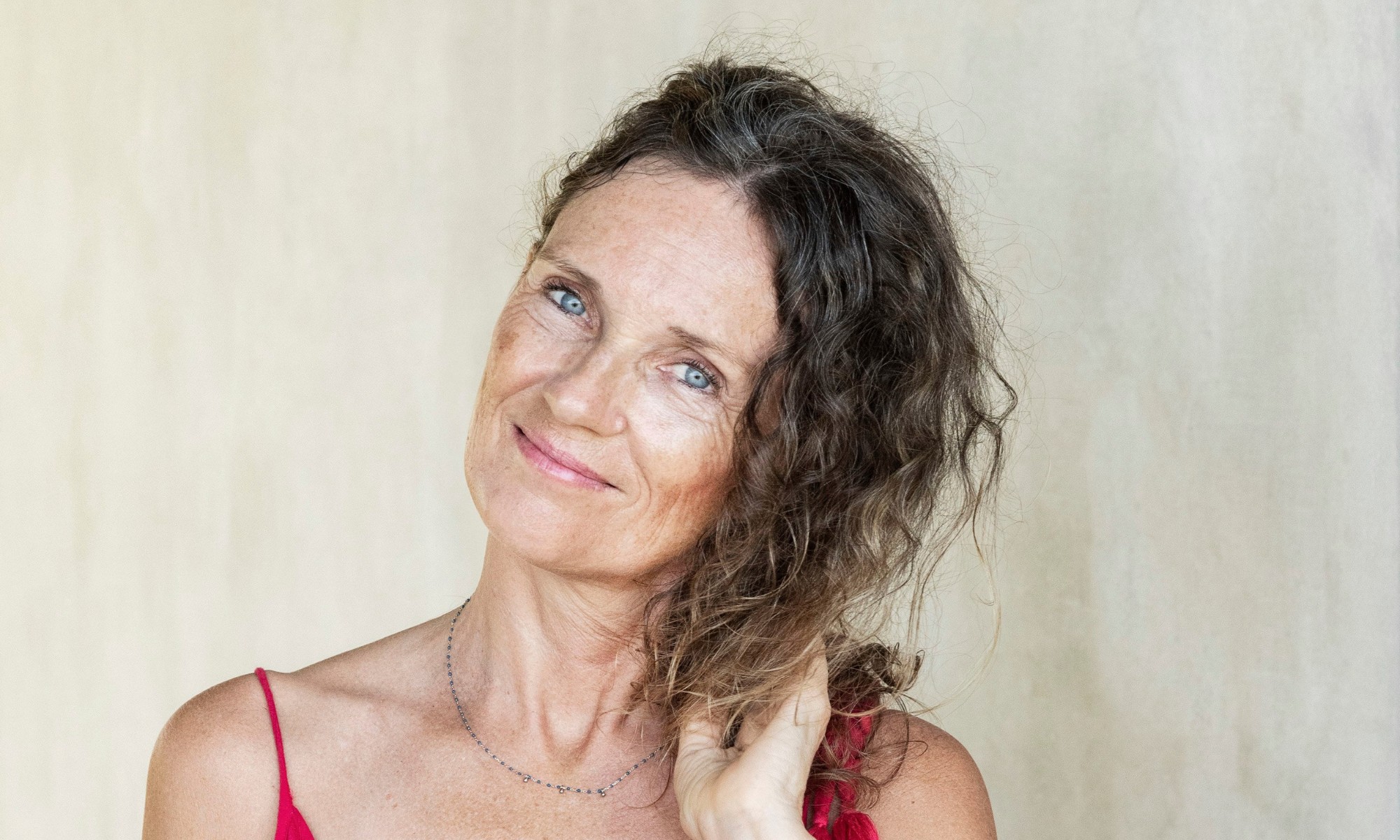
Anu is a holistic yoga coach specialising in chronic pain disorders and women’s health. She combines her personal experience of healing with the wisdom of ancient practices and modern science to guide her clients toward better health and balance. Anu’s gentle and intuitive approach empowers her students to connect deeply with themselves and their well-being. Based in London, Anu works with clients both in-person and online, helping them release their pain patterns and live better in their body and mind. She believes the true power of yoga lies not in its ability to transform our bodies but our very lives.